At Platform 3, it was expected. A little late—by about seven minutes. Almost on time.
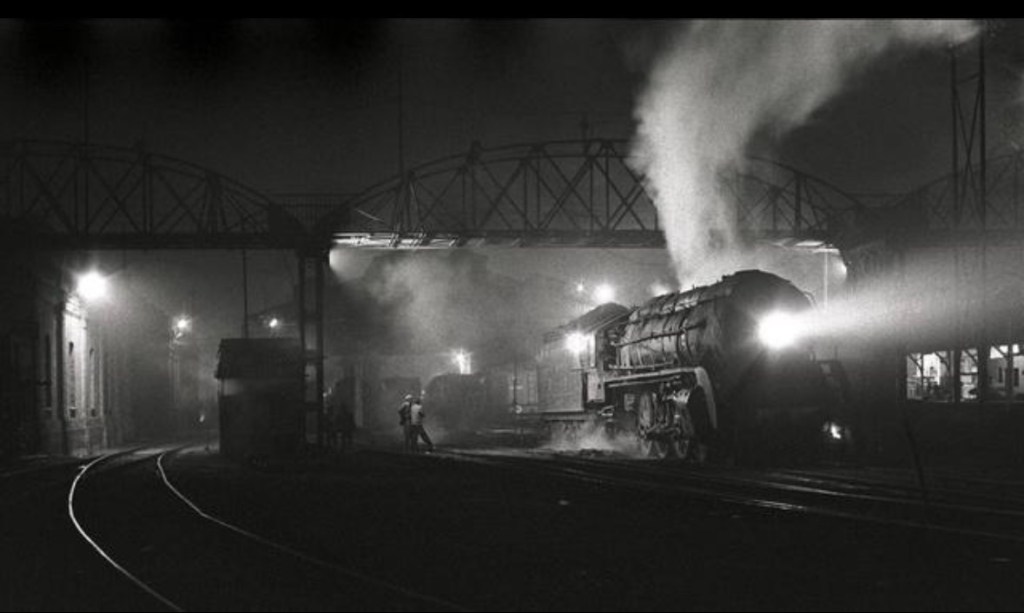
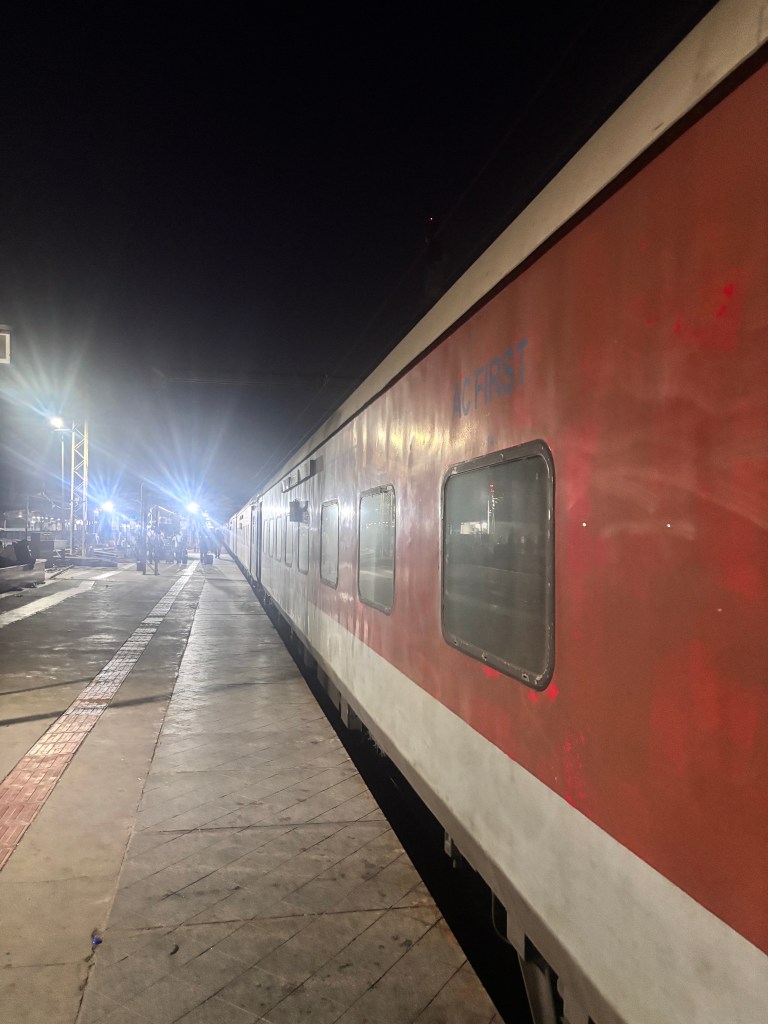
We stood on the dimly lit platform, a place that seemed rooted in the past. And then it arrived—chugging in with quiet authority. One of the oldest iron serpents still crawling across the Indian landmass.
The Punjab Mail.
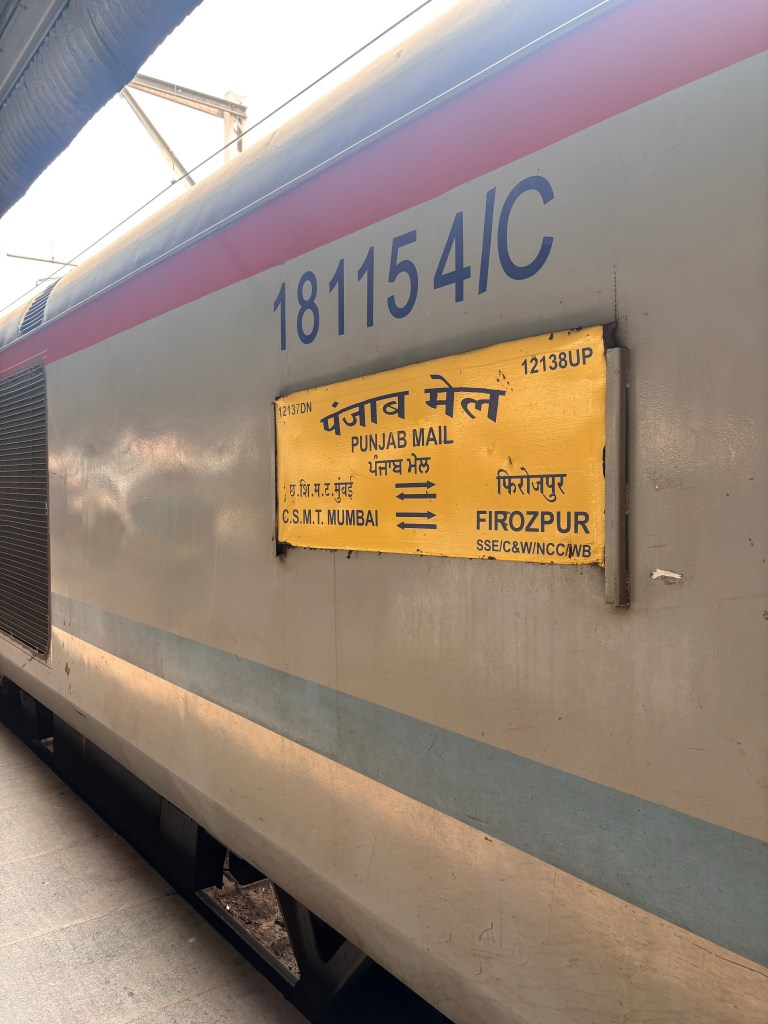
Launched on 1 June 1912, it originally ran from Ballard Pier in Mumbai to Peshawar (now in Pakistan), covering roughly 2,496 kilometres. It was designed to transport British officers, their families, and mail directly from ships arriving from Southampton to the North-West Frontier. A stark display of colonial hierarchy, it once carried only First Class passengers—white officers and their kin.
I should have felt privileged sitting in that same First Class cabin. But I didn’t. Thankfully.
As I peered through the double-glazed windows at the passing fields, I felt a lingering divide—like a ghost that had never quite left the train. I imagined peasants from another time watching this very train thunder past—smoke billowing—filled with awe, scorn, and fear.
I said a silent prayer for those who had fought for the freedom I now enjoyed. Their blood had bought me this cushioned berth, free from the fear of being pushed onto a cold platform.
Yes—this was freedom.
—
The train’s blinding lights and rumbling wheels sent rats scurrying along the tracks. The same urgency echoed on the platform—uncertain minds, I guess, had anxious feet. Some held confirmed tickets; others carried only hope.
Our First AC coach stood beside the General compartment.
The contrast was stark.
We were the only ones boarding calmly onto the First Class coach, while a restless crowd surged toward the General Compartment. The quiet dignity of our entry stood in sharp contrast to the chaos next door—jostling, shouting, desperate.
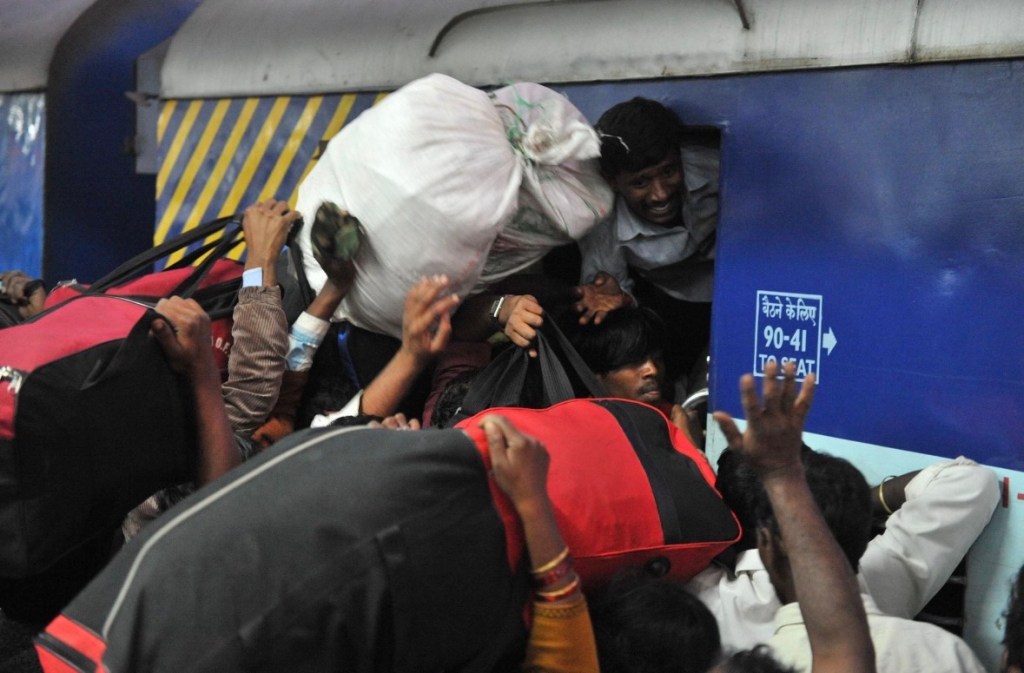
Some from the crowd spilled into our coach too, only to be pushed back by the attendant. A few persisted. They found space near the entrance, settling on the floor beside the toilets—perhaps having paid their way in, or simply persisted and wore the resistance down.
Then the drama unfolded.
One man slipped quietly into a private cabin—unlocked, but expected to be exclusive. He edged onto a berth where an unsuspecting woman lay resting.
Her alarm was immediate.
Within moments, passengers and the attendant descended on him. Blows followed—swift and unrestrained. The woman accused him of theft, perhaps worse. The man pleaded—he only wanted a place to sit.
It didn’t matter.
The judgement was instant. The punishment, excessive.
“I am educated,” he cried. “I don’t deserve this.”
I almost pointed out the weak correlation between education and behaviour—but kept the opinion inside the unspoken mind.
And the thrashing continued.
The outrage, interestingly, wasn’t about his entry into the coach—but into the cabin. The compartment breach seemed tolerable; the violation of private space was sacrilege.
Perhaps a court, over years, would have examined the truth. But here, justice was immediate.
And final.
At the next station, uniformed authority took over.
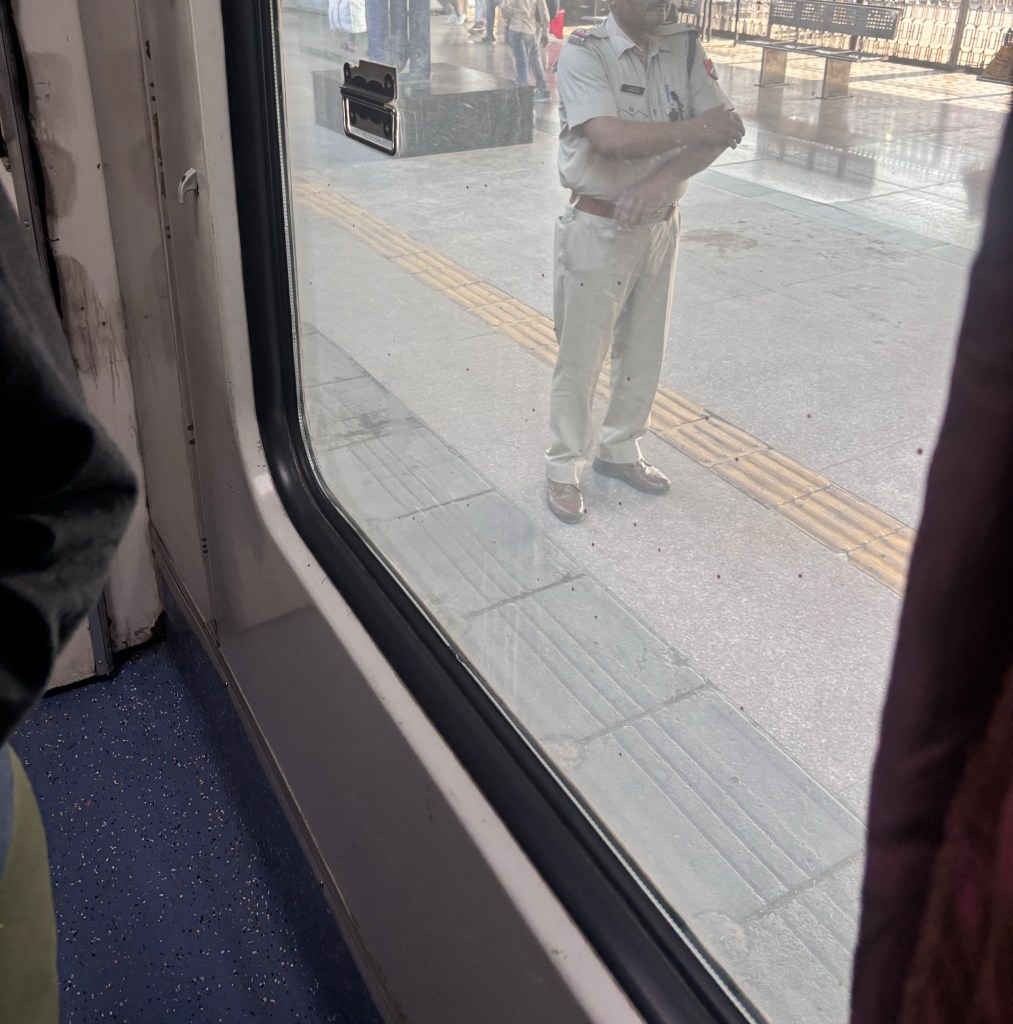
And the thrashing continued.
The victim now was repentant of the excessive thrashing and also wary of involvement with the law keepers. It was a learned wisdom that any contact with them was best avoided.
No complaint was filed. The system preferred avoidance over entanglement. The man was released—bruised, physically and psychologically. The marks on his body would fade. The memory would not.
Whether he would repeat the act, no one knew. But the future, as always, would carry traces of the past.
Humanity might justify his desperation. Equity would defend our right to safety.
The train moved on.
—
By the time we boarded, it had already carried lives from Punjab and Haryana. Some disembarked at Delhi; for us, the journey began there.
Unmoved by human drama, the train entered Uttar Pradesh.
Mathura—birthplace of Lord Krishna—was allowed barely five minutes. I stepped down for water, navigating a platform that offered little near our coach. A brisk walk, a quick UPI payment, and I was back.
No waiting for change.
No conversation.
Efficient, yet strangely hollow.
I wondered when we lost the simplicity of drinking water from a tap—and how something so basic now felt futuristic.
—
The train moved to Agra, where we bought the famous traditional North Indian sweet ‘Petha’. the translucent sweet made from ash gourd (white-pumpkin) or kaddu. It was customary to buy Petha sweet if you are in Agra. And so we did
The resolve to cut down sugar rarely survives history-laden journeys.
As we halted at Morena, we realised we had entered the middle of our county – the Madhyapradesh. The town Morena is known for its rich history and abundance of peacocks. That’s how it got its name too, Mor (peacock) Raina (place of stay) – simple. The train spared only two minutes for the place. Here we bought ‘Chai’—a sugary, spiced ritual that defines Indian train travel.
Gwalior station passed through while I slept. Not that I wanted to sleep. Sleep just invaded my conscious space. Rabindranath Tagore’s book slipped onto my chest as the carriage rocked me into a childlike surrender.
How could I resist.
I slept soundly. Carelessly
—
Jhansi wasn’t just Jhansi anymore, it was rightly amplified and prefixed by Veerangna Laxmibai, glorifying the Queen of Jhansi who fought valiantly against the British Forces during the 1857 rebellion. The ‘Rani’ died in battle, and became etched as a symbol of Indian Nationalism and Women empowerment.
At Jhansi, we were delivered our lunch which we ordered through the IRCTC app. An ensemble of rice, Indian bread, chicken, eggs, curd, etc aptly called ‘Maharaja Thali’ that could have fed more than two.
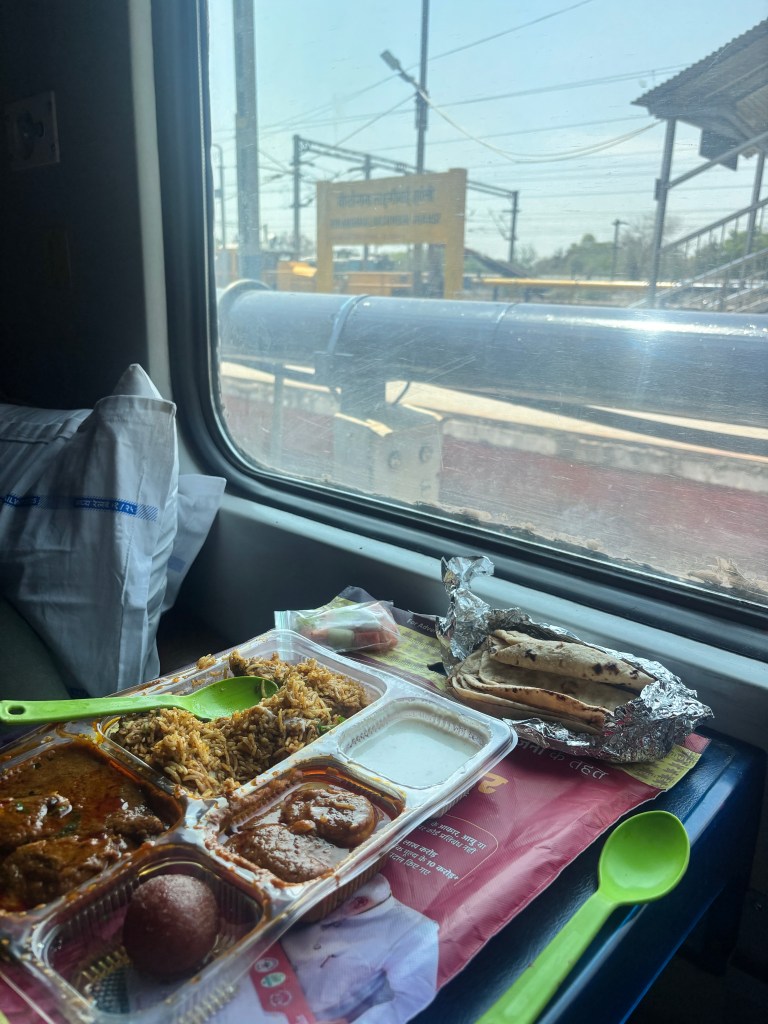
By the time we finished our meal, our train ‘checked in’ at Babina a military Cantonment.
As we disposed of the plates, another Punjab Mail crossed us, heading north. I wonder if they spoke to each other.
For a fleeting moment, I wondered—did they acknowledge each other?
I heard the horns.
Maybe they did.
—
And then as the afternoon sun seeped through the glass and diffused with the artificial cold inside our cabin, our eyes started to close. Sleep quickly returned victorious in a silent counter attack. And we slept through the afternoon as the train raced along the central Indian plains across the fields filled with light golden Rabi harvest.
As harshness of the sun dulled and the slanted sun rays picked up a golden tinge, the crave for a cup of tea became quite insistent.
Bhopal greeted us with a modest delay—twenty-three minutes. Respectable for a mail train.
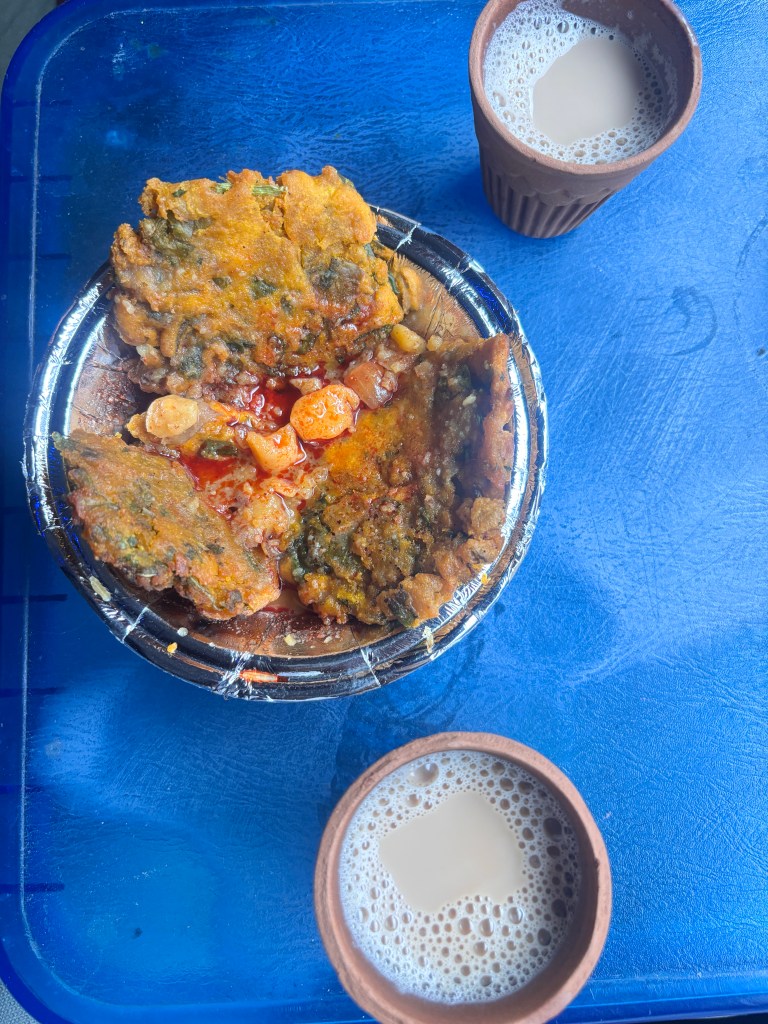
This time, our coach aligned perfectly with a food stall. Kulhad chai and pakoda chaat beckoned irresistibly. Spinach-laced fritters, tangy tamarind chutney, chickpeas—it was earthy, indulgent, unmistakably Bhopali.
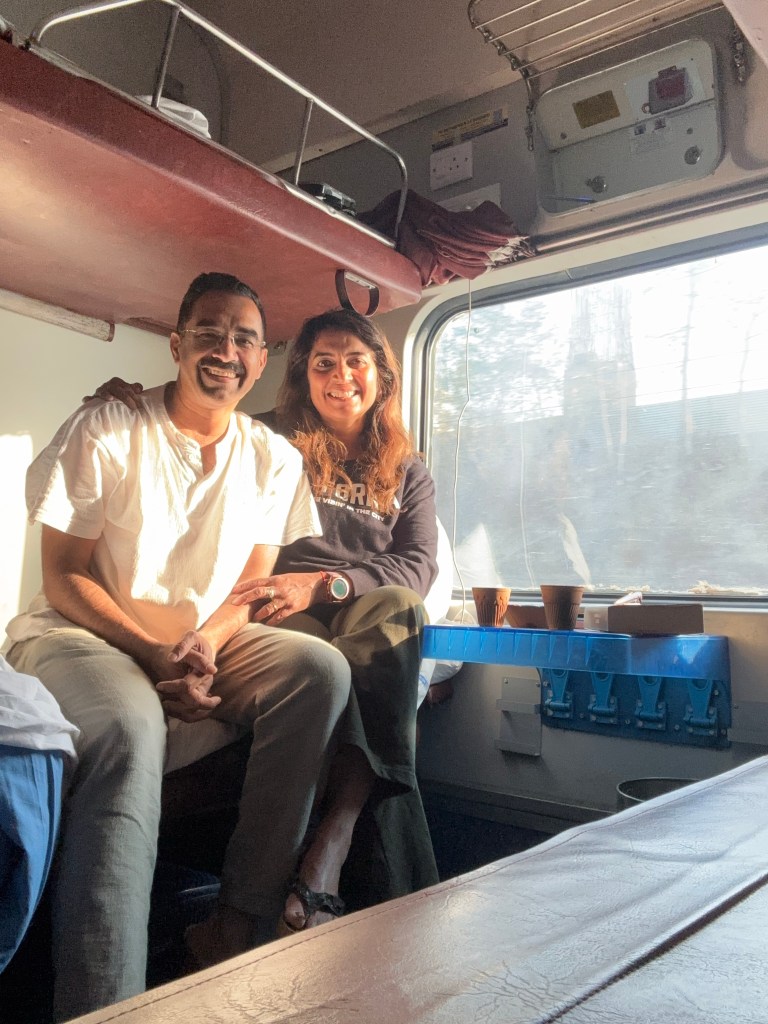
The sun rays shined on our faces, making us frown and smile, triggering a volley of selfies. No pouts. Just genuine well slept, belly filled smiles.
The train smiled too.
—
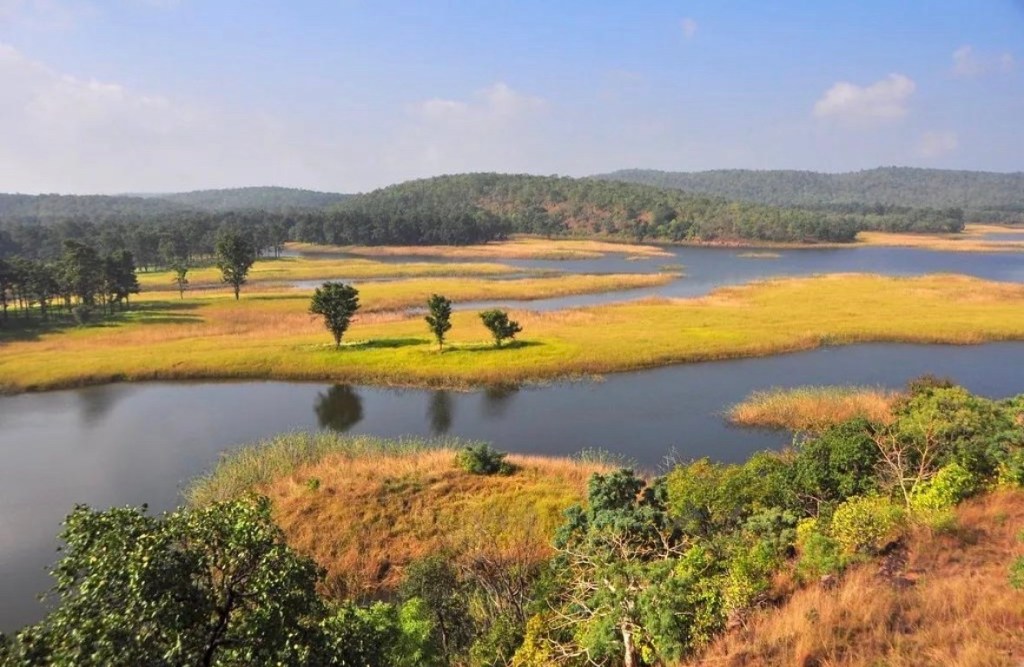
Obedullaganj—an unfamiliar name—revealed hidden depth. The train stopped at this obscure place. Obscure for me since one can’t know everything, right? But then I dipped into the knowledge repository of Wikipedia to find that it was reasonably famous for some scenic locations. Gateway to forests, to Bhimbetka’s prehistoric caves, to quiet coexistence of temples and mosques.
It reminded me:
Every stop holds a story.
Every place is a life we didn’t live.
—
Night fell.
At Barkhera, we waited—while faster trains passed. Our identity as a Mail train was clear now. Patience is a virtue, but it can take a toll when in excess.
And so we waited impatiently.
At Narmadapuram, we were joined by our first co passenger. To know that there was a place called Narmadapuram and there were people staying there, was a new knowledge. Meeting an actual person like that was true knowledge. He seemed fond of the place, like you are, when you return to your folks in the village. He had just met his brother and his family. A ritual he followed religiously to maintain the thread of relationship and to keep his connection with his ancestral roots. Although he related more with New Mumbai (Navi Mumbai) where he had spent most of his adult life. He remarked on the change of name of his village from Hoshangabad to the present Narmadapuram. He described the town to be a peaceful idyllic one on the banks of the sacred Narmada River, blessed with both scenic and spiritual charm.
I promised to visit sometimes.
There were many promises to keep.
—
At Itarsi Junction our cabin occupancy was full. Our fourth co passenger joined us helped by his father. A young lad, evidently a software professional, had his laptop at the ready—it sprang open almost out of habit as soon as he settled in. On a regular enquiry on his destination, the ice was broken and he got included in our discussions. We learnt about his job and the intricacies of the programming world. Our discussions moved from the use of AI and the ethics of it, to the world which existed before technology swarmed our lives. We wondered whether things have become easier or complex. We were divided in our opinion, yet we agreed.
Maybe all conversations are such kinds. Finding common ground without surrendering our own. However, in our conversation and revelations about our lives we found things which connected us to some common event or people.
The world, we realised, is small.
Just a pale blue dot.
—
It was night, in the train kind of way. Half past nine is not normally a bed time at home. We all made our beds. White sheets first and then the blanket over it. We lay down on the allotted bunks, rummaging through in our minds, the happening of the day. The train efficiently got into doing its motherly job, to put all her children to sleep, irrespective of the class of travel and status of their tickets.
All for her, all were alike.
It chugged on untiringly. It had miles to go before it slept.
Tomorrow morning would be the destination.
—
The night engulfed many places and happenings. The dreams had their own world, beyond the journey. On waking up, the realisation came flooding back of where I was and all that had happened. The journey, the people and the destination, it all came back into the memory like a jig saw puzzle. The entire tapestry was recreated into the present moment as a continuous happening.
Morning also brought Maharashtra.
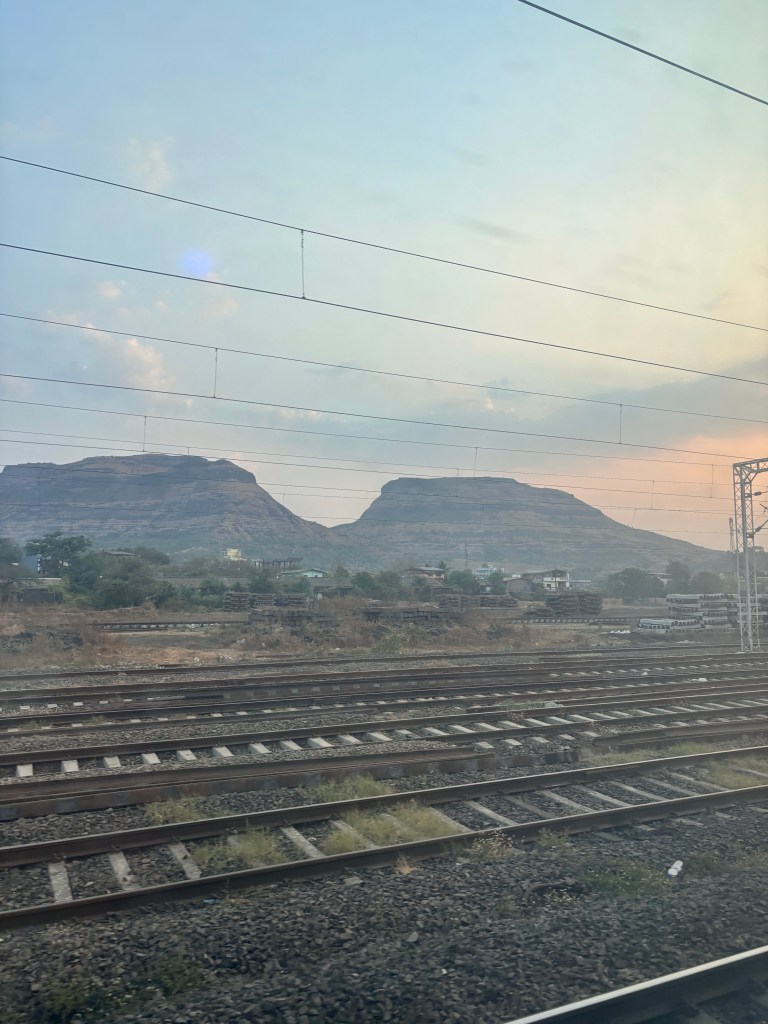
The landscape changed. Flat plateaus rose over the flat plains to break the monotony and possibly give a vantage points for kings to build their forts. This was the land of Chatrapati Shivaji and his legendary rule. Our train moved through places where many battles were fought for freedom and glory. A place which witnessed the Marathas defeating the Mughals decisively.
Changes are often violent and turbulent.
—
We passed through short tunnels furrowing through the broken landscape of Deccan plateau. Slowly creeping, as we reached the end of our journey. We were late now. We were being stopped and waylaid to allow other trains which were on time. It wasn’t that it was always late. On the contrary our co-passengers talked of punctuality of this train. Maybe it was this time that it was delayed. Maybe we were not in a rush and it had just obliged us with some slow life. We even stopped on the bridge over some obscure weed ridden Kalu river. A picture perfect stop if you are not hassled by the delay. Few were heard cribbing on the train.
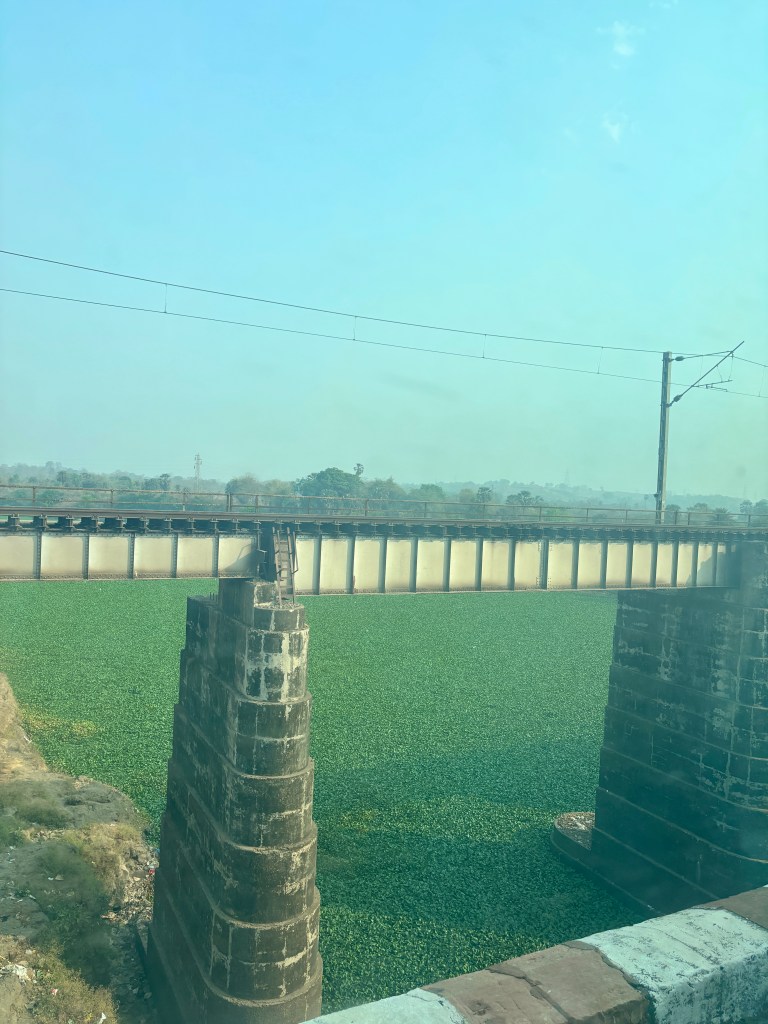
We got an awesome picture.
Our travel through the landscape was placid.
—
As we got closer to Mumbai City the landscape changed into concrete jungle. Cubicles of spaces could be seen stacked up in high rises. Each one a home.
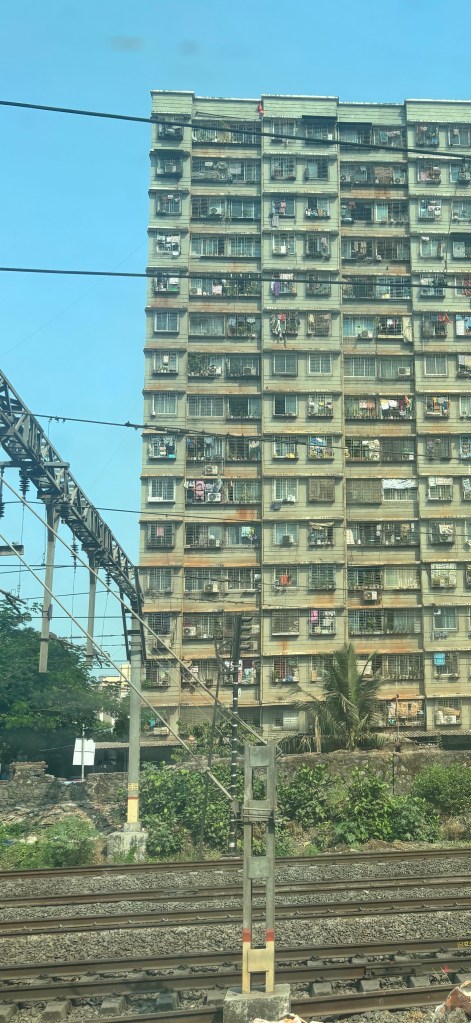
At Thane our co-passengers departed. We exchanged best wishes and smiles. Maybe we will meet again. Or maybe this was the last.
Who knows.
—-
And then, Mumbai CST.
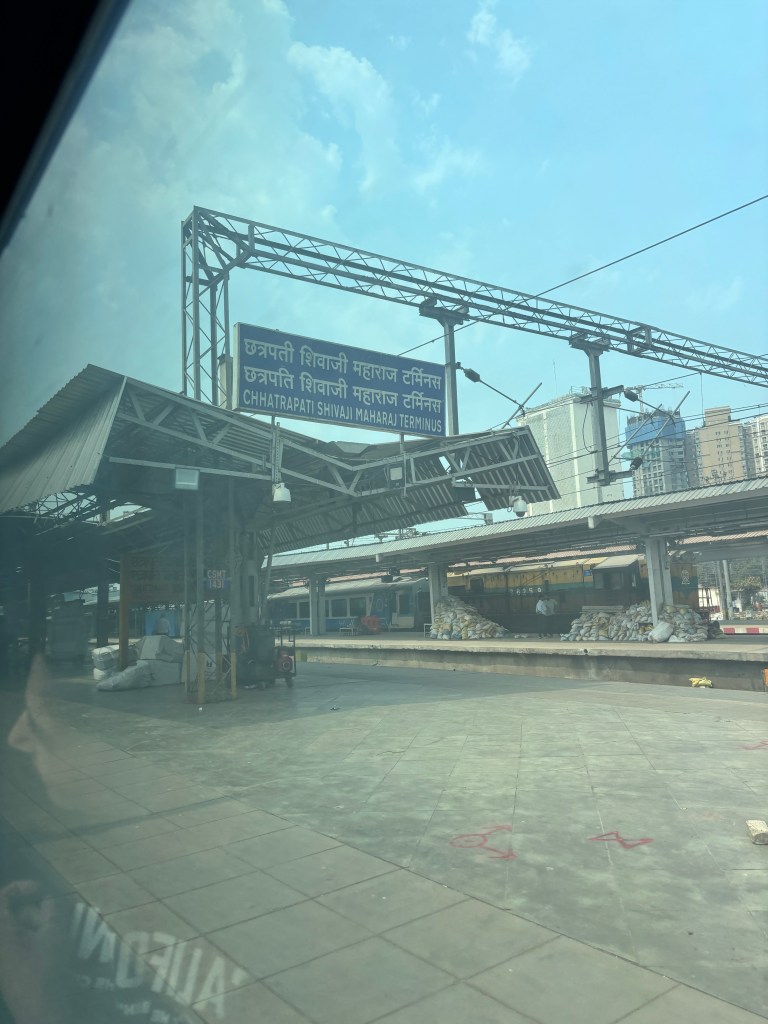
Our journey ended.
The train’s did not.
For over a century, the Punjab Mail carried stories—of empire, division, resilience, and change. Our two-day journey was but a fleeting moment in its long narrative.
It reminded us of the vastness of India. Of the stories hidden beyond cities waiting to be told and heard.
This was one of them.
The train itself wasn’t all that exclusive and regal as it was when it started. Maybe it suffered due to its colonial connection. The luxury of first First AC class was humbled by the shared compartment with the 2nd AC and subdued facilities which were lavishly available on other trains such as Rajdhani or the newer lots of Vande Bharat. However, it still moved with grace and pride. Slow yet steady. It moves—not burdened by the past, nor hurried by the future.
History doesn’t just reside in monuments. Sometimes, it travels with you.
And if you listen closely, it tells stories.
We heard a few as we journeyed with History.
The Punjab Mail


A delightful read, definitely brought back a few memories of the yesteryears.
Hoping you keep Chugging along ( exactly like the Punjab mail ) to regale us with your view of the world
Cheers
Jo
LikeLiked by 1 person
Thanks Jo. Such will be my doing, as you so say 🙏🏻🙏🏻😊
LikeLike
So well written Warri – echoing so many distant memories on such trains. I loved the line:
There were many promises to keep.
and would like to add these:
…and miles to go before I sleep….
LikeLiked by 1 person
Thanks a lot. Yes, miles to go 😊🙏🏻
LikeLike
An excellently written and beautifully articulated piece—it truly transported me back to the charm of old train journeys—the rhythmic clatter of wheels, fleeting glimpses of passing landscapes, and the quiet joy of unhurried travel. It brought alive those simple yet unforgettable moments that stay with you long after the journey ends.
Soni….
LikeLiked by 1 person
Thanks 🙏🏻
I am so glad you traveled with me 🙏🏻🙏🏻
LikeLike
Thank you for the wonderful narration ! I enjoyed the journey as much as you all did ! The romance of train travel in India beautifully captured.
LikeLiked by 1 person
Thanks a lot for travelling with me 🙏🏻🙏🏻😊
LikeLike